Say Goodbye to Rotator Cuff Pain with Athletic Therapy
We know shoulder pain can be alarming. Especially when it creeps up out of nowhere. But there is plenty you can do to start feeling better and plenty that a well-trained Athletic Therapist can do.
We know that the rotator cuff muscles can sound intimidating and maybe even a little bit like dinosaur names but, we are happy to guide you through the trenches!
WHY did I injure my rotator cuff?!
Rotator Cuff injuries are pretty common and many people struggle with them. Why?! Your shoulders have so many ranges of motion that they need to accomplish and, in our daily lives they can only be so resilient. We often sit with bad posture which puts strain into the front of the joint and causes friction. It can even cause rubbing on the surfaces and some inflammation to the tendons or the underlying bursa (fluid filled sac)
What IS the Rotator Cuff?
You might be asking, what is the rotator cuff? Essentially it’s a grouping of 4 muscles in the shoulder which do the following actions:
Lift your arm
Rotate the arm outwards
Rotate the arm inwards
Combinations of the above
Help with the stability of the shoulder

So you can imagine if you’re having a hard time lifting your arm it might be a challenge to put on a shirt. Or for the ladies, you might have a hard time doing or undoing your bra. Now doesn’t that sound like a pain?!
What to do for Rotator Cuff Pain
With rotator cuff pain it’s important that you keep moving - within reason. We don’t want it to lead to any pesky limitations in your overall mobility and strength. It’s best to target them early before secondary injuries (like a frozen shoulder) start to occur and then you feel more helpless.
There’s a lot to be said in that movement is medicine. But, we want to make sure you do it correctly! When training the rotator cuff it is essential to do it with proper posture and coordination.
Exercises for Rotator Cuff Pain
Many people will Google rotator cuff injuries and it will likely give you a cookie cutter example of exercises. You can do those banded external rotation exercises till the cows come home but, if you’ve set yourself up to be unsuccessful you’re really just grinding away at an already sensitive area. Read more about that HERE
What we aim to do at CE Sport Therapy is tailor things exactly to your body's needs and demands. Why? Because each person is different! We have hobbies, jobs or activities we like to do that could vary from someone with a similar rotator cuff pain. So we should target things that way and not just bandaid it for you.
If you’re wanting to learn more about how an Athletic Therapist would treat and rehab a rotator cuff injury, click the button below for a Free First Session at our Calgary Sport Therapy Clinic. Not only will you leave better knowing exactly what you injured but with a plan to help you get better.
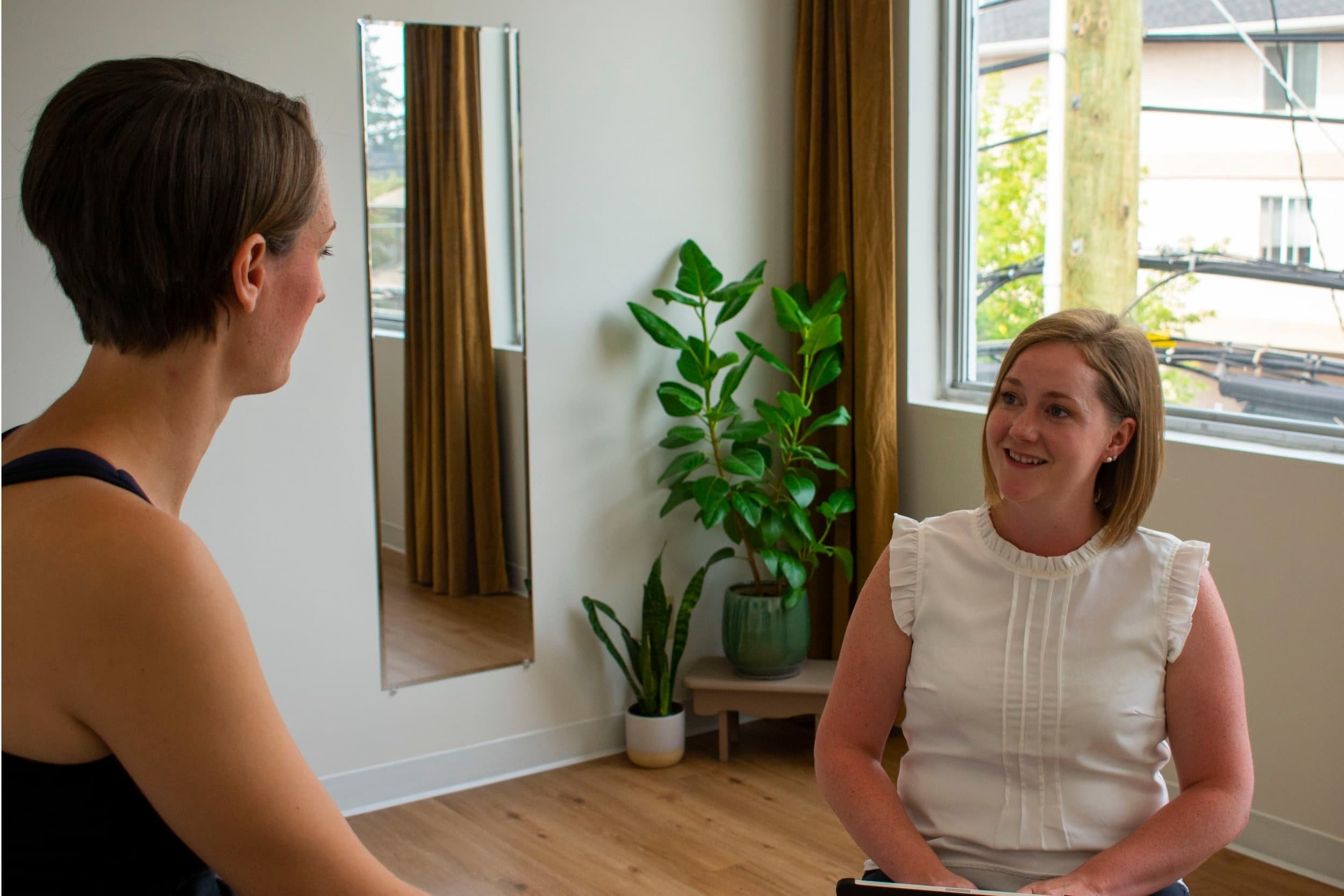
Written by Michelle Gaudet,
Owner and Certified Athletic Therapist